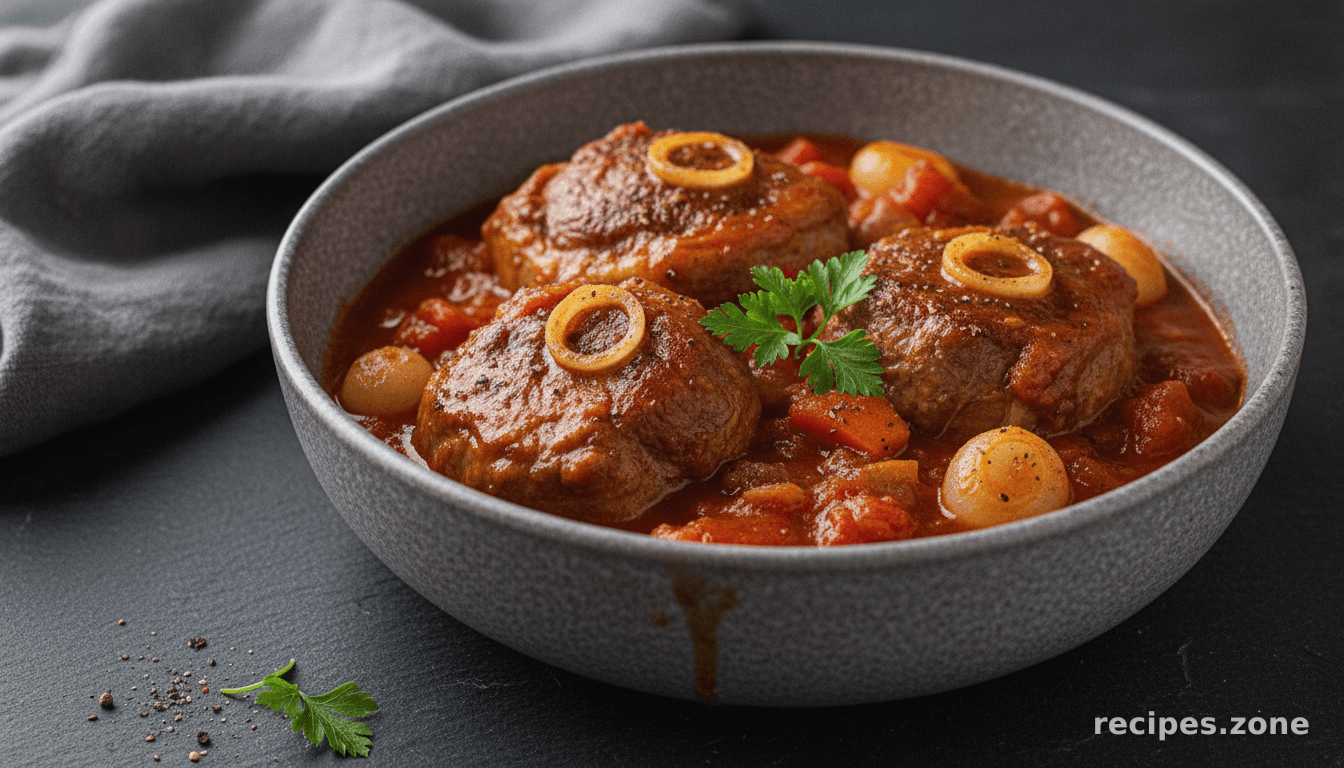
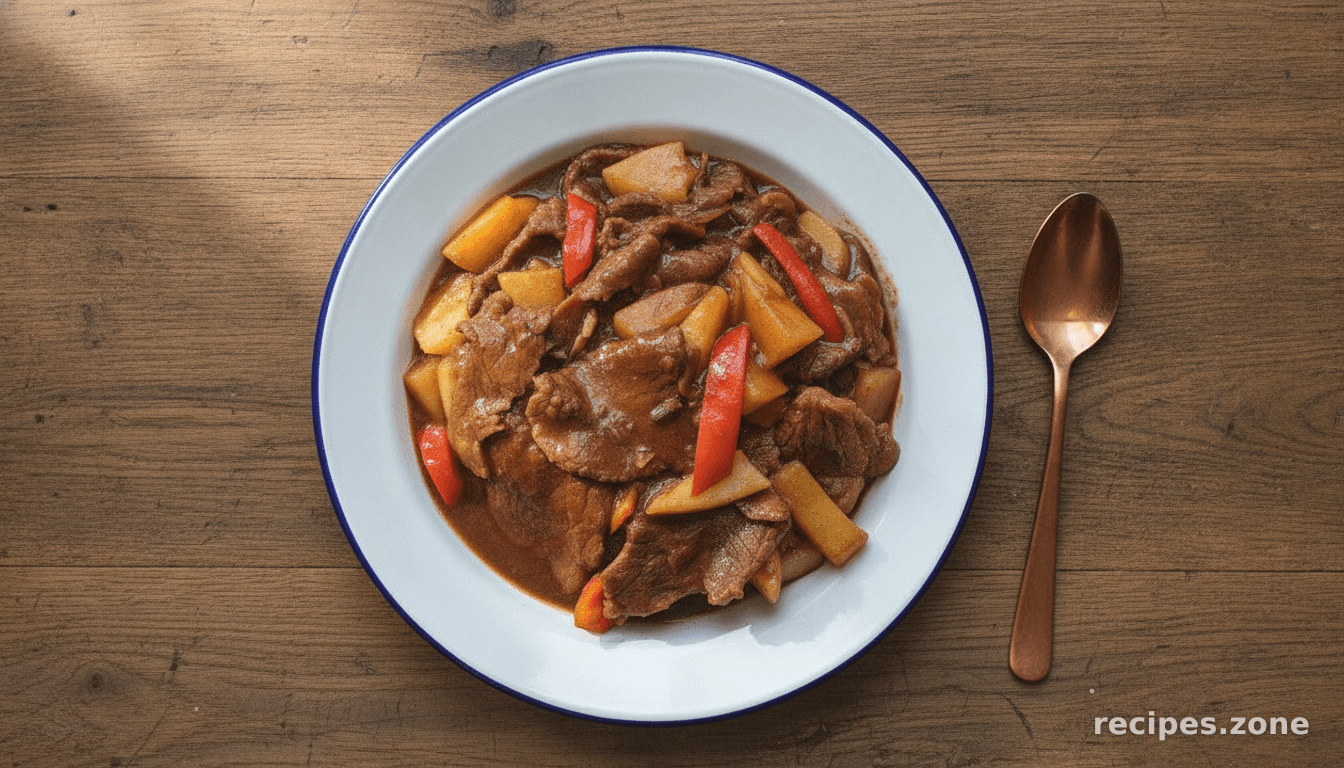
Osso Buco alla Milanese

12 steps · 1h 18m total
- 01
Preheat the Oven
Preheat your oven to 300 degrees.
Switch the palette to suit the room. Your choice is saved locally.


Heat the olive oil and 1 tablespoon of the butter in a wide Dutch oven or heavy braising pot (a 6 to 7 quart size works well) over medium-high heat. When the butter has melted and the oil is shimmering, carefully lower the shanks into the pot, flat side down. If they don’t fit without touching, brown them in batches.
Sear the shanks, turning once with tongs, until both flat sides are well caramelized, about 5 minutes per side. If the butter-oil mixture starts to burn, lower the heat slightly. Transfer the browned shanks to a large platter or tray and set them aside.
Pour off and discard any fat from the pot. Wipe out any burnt bits with a damp paper towel, being careful to leave behind any caramelized fond. Add the remaining 2 tablespoons butter to the pot and melt it over medium heat.
Once the butter has stopped foaming, add the onion, carrot, celery, and fennel. Season with salt and pepper, stir, and cook the vegetables until they begin to soften but do not brown, about 6 minutes. Stir in the garlic, orange zest, marjoram, and bay leaf, and continue to cook for another 1 or 2 minutes, until fragrant.
Return the shanks to the pot, arranging them with the exposed bone facing up, and pour over any juices that accumulated on the platter. Cover the shanks with a piece of parchment paper, pressing it down so it nearly touches the veal and the edges hang over the pot by about an inch. Cover the pot tightly with its lid.
Slide the pot into the lower part of the oven to braise at a gentle simmer. Check the pot after the first 15 minutes; if the liquid is simmering too aggressively, lower the oven heat by 10 or 15 degrees. Continue braising, turning the shanks and spooning some pan juices over the top after the first 40 minutes, until the meat is completely tender and pulling away from the bone, which takes about 2 hours.
Set the braising pot on the stovetop and evaluate the sauce. If there’s a visible layer of fat floating on the surface, use a large spoon to skim it off and discard it.
Taste the sauce for concentration of flavor. If it tastes a bit weak or flat, bring it to a boil over high heat and boil to reduce the volume and intensify the flavor for 5 to 10 minutes. Taste again for salt and pepper. If the sauce needs more brightness, stir in a teaspoon or two of the remaining gremolata.
Per serving
Allergen information is derived automatically from the ingredient list and is a guide, not a guarantee. Always check the packaging of the products you cook with.
Sign in to leave a rating and a note.
Be the first to cook this and tell the rest of us how it went.